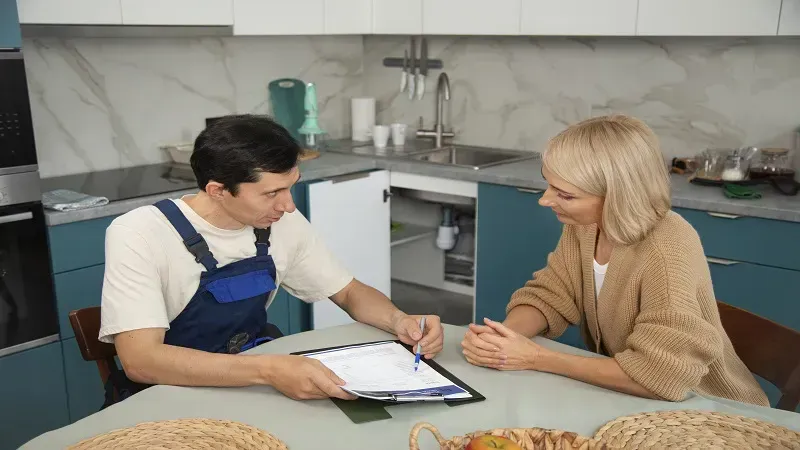
Thoughtful upgrades can make your living space more pleasant, practical, and visually appealing. However, not every project provides the same benefits. Some upgrades may improve everyday living, while others can also support a home’s appeal to future buyers. Understanding which projects are practical can help homeowners use their time and money wisely. This which home improvements pay off HeartOMenal guide explores several improvements that can provide useful benefits. The right choice depends on the home’s condition, location, budget, personal needs, and long-term plans.
What Makes a Home Improvement Worthwhile?
Before starting a project, consider more than its appearance. A worthwhile improvement can solve a real problem, improve comfort, reduce maintenance, or make the home easier to use. For example, fixing a leaking roof may not seem exciting, but it can protect the rest of the property from water damage. Better insulation can help maintain a pleasant indoor temperature in every season. Updating an outdated kitchen can improve both appearance and functionality. The impact and worth of a home upgrade may differ depending on the property. A project that makes sense in one home may not be suitable for another.
Start With Necessary Repairs
Essential repairs should usually come before cosmetic improvements. Problems involving the roof, foundation, plumbing, electrical systems, windows, or water damage can become more expensive if ignored. A homeowner should inspect the property and identify urgent issues before spending money on decorative upgrades. Fixing these problems can protect the home’s condition and prevent future repair costs. It can also give homeowners greater confidence and reassurance. If you notice serious structural damage, electrical problems, gas issues, or major plumbing concerns, consider consulting a qualified professional.
Improve the Kitchen
Updating the kitchen can be worthwhile since it is an essential part of everyday home life. Giving the space a new look does not mean every cabinet, appliance, or fixture needs to be replaced. Even a few carefully chosen changes can improve the kitchen’s overall appearance and usefulness.
You might consider:
- Updating cabinet hardware
- Improving lighting
- Replacing worn countertops
- Adding useful storage
- Updating old appliances
- Repainting cabinets
- Improving ventilation
- Replacing damaged flooring
The goal should be to create a kitchen that works well for everyday activities. Avoid spending heavily on luxury features that do not match the rest of the property. A balanced renovation can be more practical than an expensive redesign.
Upgrade the Bathroom
The bathroom is also a key space to consider when making changes around the home. A well-maintained and practical bathroom can make everyday routines more pleasant while adding to the home’s overall appeal. Simple improvements can include replacing outdated fixtures, improving lighting, updating storage, repairing damaged surfaces, and refreshing the walls. For larger projects, homeowners may consider replacing flooring, improving ventilation, updating the shower area, or changing an outdated vanity. Waterproofing and proper ventilation are especially important. Poor moisture control can contribute to mold and damage.
Improve Energy Efficiency
Energy-efficient changes can improve indoor comfort and may help reduce the amount of electricity a household uses.
Depending on the property, homeowners can consider:
- Better insulation
- Energy-efficient windows
- Efficient lighting
- Improved ventilation
- Modern appliances
- Weatherstripping
- Smart temperature controls
Before starting any home upgrade, weigh the upfront expense against the benefits it could provide over time. For example, sealing drafts around doors and windows may be a relatively simple improvement. Major improvements, including new windows or better insulation, often need careful preparation before the work begins.
Make Windows and Doors More Efficient
Windows and outside doors play a major role in a home’s comfort, safety, style, and energy use. Worn-out windows can let cold air, heat, or moisture seep indoors. Doors with gaps or weak seals may also make rooms less comfortable. In some situations, simple repairs can solve the problem, while severely damaged units may need to be replaced. If you decide to install new windows or doors, consider their strength, insulation quality, upkeep, security features, design, and total price. The right choice should match the property’s needs and the weather conditions in the area.
Improve Curb Appeal
A home’s exterior often shapes how people view the property when they first see it. Enhancing its outdoor look does not always involve spending a large amount of money. Basic tasks such as washing exterior surfaces, caring for the garden, cutting back overgrown plants, giving the front door a fresh coat of paint, adding better outdoor lights, or replacing old house numbers can make a difference. A tidy and attractive entrance can create a warmer feeling. Keeping the outside of the property in good condition can create a more attractive impression for potential buyers.
Focus on Outdoor Living Spaces
Outdoor spaces can provide additional areas for relaxing, entertaining, or spending time with family. Depending on the property, homeowners might improve a patio, balcony, garden, deck, or seating area. Simple additions such as comfortable seating, lighting, shade, or low-maintenance landscaping can make an outdoor space more enjoyable. However, the investment should match the property’s overall value and the way the space will actually be used. There is little benefit in creating an expensive outdoor area that receives very little use.
Improve Home Insulation
Effective insulation can help maintain a pleasant and balanced temperature inside the house. It limits the movement of heat between indoor and outdoor spaces, helping rooms stay warmer in cold weather and cooler during hot periods. Inadequate insulation can make temperature control more challenging. Adding insulation to the right parts of a property may help maintain steadier indoor conditions. Before beginning the work, check which areas allow the most heat to escape or enter. For extensive projects, consulting an insulation professional can be helpful. The best solution will depend on the building’s structure, local weather, current insulation, and available budget.
Upgrade Lighting
The right lighting can transform a room’s ambiance while making the space more practical. Using different types of lighting, such as ambient, focused, and decorative lights, can improve specific areas for different purposes. Kitchens often work well with strong lighting for food preparation, whereas bedrooms can feel more relaxing with gentle illumination. Changing old light fixtures is another simple way to update a room without carrying out a full remodel. Natural sunlight can also brighten interiors during the day, so keep windows clean and choose curtains or blinds that allow enough light to enter.
Improve Storage and Organization
Storage improvements can make a home more practical. Many homes have unused spaces that can be turned into useful storage. Shelves, cabinets, drawers, closets, and built-in solutions can help reduce clutter. Using wall-mounted storage can be a practical solution when floor space is limited. The best storage solution depends on the household’s needs. Think about which items are used frequently and where they should be stored. Good organization can improve everyday life without requiring a large renovation.
Refresh Walls and Flooring
Fresh paint can quickly change the appearance of a room. Neutral and adaptable colors can provide a flexible background for furniture and decorations. However, color choices should also reflect personal preferences. Flooring is another important consideration. Damaged or worn flooring can make a room look neglected. When selecting new flooring, consider durability, cleaning requirements, moisture exposure, comfort, and installation costs. High-traffic areas usually need materials that can handle regular use.
Create a Functional Home Office
Working from home has made dedicated work areas useful for many households. A home office does not always require a separate room. A quiet corner with a suitable desk, comfortable chair, good lighting, and organized storage may be enough. If you have an unused room, you may be able to convert it into a flexible office or study space. Focus on comfort and functionality rather than expensive furniture.
Think About Maintenance
Some improvements are valuable because they reduce future maintenance needs. For example, durable exterior materials, easy-to-clean surfaces, quality fixtures, and proper drainage can help reduce recurring problems. Regular maintenance should also be part of any home improvement plan. Clean gutters, inspect the roof, check for leaks, maintain ventilation systems, and address small problems before they become major repairs. Preventive maintenance can protect the improvements you have already made.
Avoid Over-Improving Your Home
One important consideration is whether an improvement fits the property. Spending a large amount on luxury features may not make sense if similar homes in the area have much lower levels of finish. Think about the neighborhood, property type, expected use, and your long-term plans. Home improvements should support the home rather than create unnecessary costs.
Consider Your Long-Term Plans
Your plans for the property should influence renovation decisions. If you intend to stay for many years, comfort and personal preferences may be the main priorities. If you may sell in the near future, you might focus more on repairs, functionality, presentation, and broadly appealing improvements. There is no universal list of projects that works for every homeowner.
Set a Realistic Budget
A clear budget can prevent renovation costs from getting out of control. Start by identifying your priorities. Research material and labor costs. Get estimates where appropriate. It is also sensible to keep money available for unexpected problems. Do not choose a project simply because it looks impressive. Consider its actual usefulness and long-term cost.
When Should You Hire a Professional?
Some home projects can be completed by experienced homeowners. Painting, decorating, basic organization, and certain minor repairs may be suitable for DIY work. More complex work may require professional expertise. Electrical systems, gas lines, major plumbing, structural changes, roofing, and other specialized projects can involve safety risks. Hiring a qualified professional can help ensure that complex work is completed correctly and according to applicable requirements.
Final Thoughts
The question of which home improvements pay off HeartOMenal does not have one answer for every property. The most suitable improvements depend on the home’s condition, the homeowner’s needs, the available budget, and long-term plans. Start with necessary repairs. Then consider improvements that increase comfort, functionality, efficiency, and overall appeal.
Kitchen and bathroom updates, energy-efficiency projects, better lighting, improved storage, exterior maintenance, and practical outdoor spaces can all be worth considering. Most importantly, avoid making improvements simply because they are fashionable. Choose projects that solve real problems and fit your home. A thoughtful improvement plan can help you create a more comfortable and functional living space while making better use of your renovation budget.